

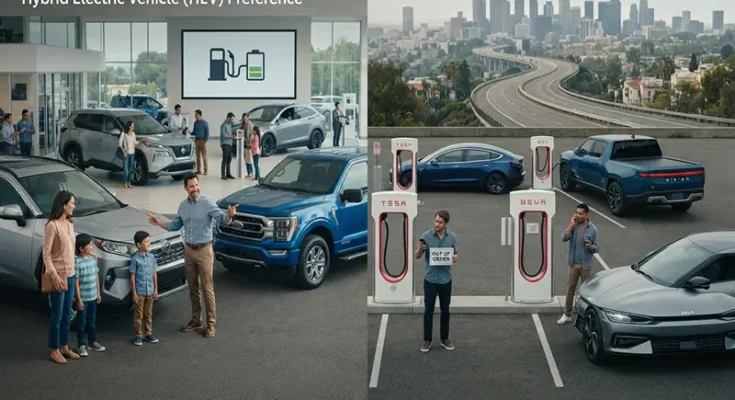
Why Hybrid Electric Vehicle Adoption Is Outpacing Battery Electric Cars in the Auto Industry
For years, the conventional automotive narrative dictated a straight-line march from internal combustion engines directly to 100% battery-powered electric vehicles (BEVs). Industry analysts and policymakers framed hybrids as a temporary stepping stone—a brief transitional bridge before a fully plugged-in future. Yet, showroom floors and registration data tell a radically different story.
Consumer demand and market realities have collided, positioning hybrid electric vehicles (HEVs) not as a temporary bridge, but as the preferred destination for drivers hesitant to navigate infrastructure gaps, high upfront costs, and range anxiety.
The Friction Points of Pure BEV Adoption
While battery electric vehicles have achieved remarkable technological milestones, they continue to run into stubborn friction points that slow down mass-market conversion:
- Charging Infrastructure Realities: Persistent bottlenecks, out-of-service public chargers, and stark disparities in charging speed make long-distance travel stressful for drivers without dedicated home charging setups.
- The Cost and Range Equation: High initial vehicle purchase prices,