Independent vs. Franchise Auto Dealerships: Which Offers Better Deals?

Independent vs. Franchise Auto Dealerships: Which Offers Better Deals?

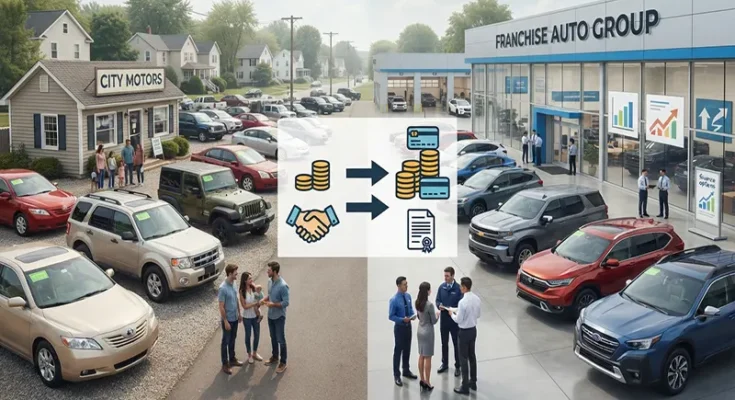
Walking onto a car lot can feel like stepping into two entirely different worlds: the sprawling, brand-badged franchise showroom or the independent lot lined with a colorful mix of makes and models.

When it comes to scoring the “best deal,” neither independent nor franchise dealerships hold a monopoly on savings. Instead, each offers distinct pricing advantages, inventory sources, and negotiation dynamics depending on what type of vehicle you are buying and how you plan to finance it.

Anatomy of a Franchise Dealership: Pros, Cons, and Pricing Power

Franchise dealerships operate under direct contracts with major automakers (e.g., Ford, Toyota, BMW). They have exclusive rights to sell brand-new cars and hold first pick of the best pre-owned inventory.

  • Inventory Sourcing & CPO Perks: Franchise stores dominate the market for late-model, low-mileage lease returns. They offer Certified Pre-Owned (CPO) vehicles that undergo rigorous multi-point manufacturer inspections and come packaged with factory-backed warranties.
… Independent vs. Franchise Auto Dealerships: Which Offers Better Deals? Read More
Longest Lasting Family SUVs with Proven High Mileage Vehicle Longevity

Longest Lasting Family SUVs with Proven High Mileage Vehicle Longevity

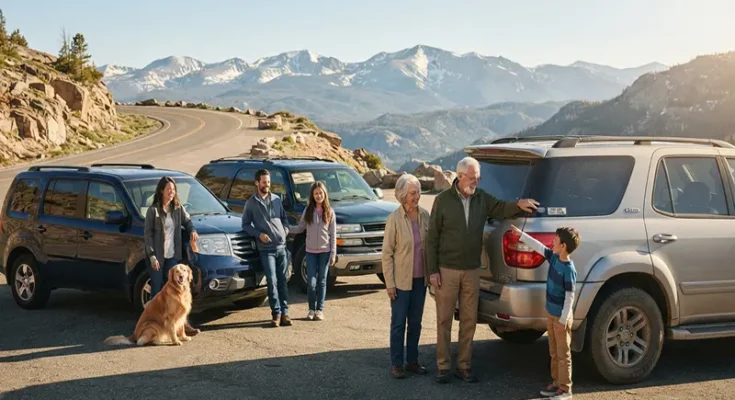
Family haulers endure some of the toughest operating environments on the road—from daily school drop-offs and sports carpools to cross-country road trips laden with luggage, sports gear, and pets.

While many modern crossovers are designed strictly for short-term comfort, a select group of family SUVs features legendary, truck-based frames or heavily over-engineered architectures capable of cruising past 250,000 miles with basic, disciplined maintenance.

The Engineering Blueprint of a 250,000-Mile Family SUV

What separates a family vehicle that breaks down early from one that becomes a generational survivor? It comes down to fundamental manufacturing principles:

  • Body-on-Frame vs. Unibody Durability: Full-size giants utilize rugged body-on-frame construction designed to absorb heavy towing loads and twisting stresses. Meanwhile, elite unibody crossovers achieve long lifespans through conservative powertrain tuning and over-engineered transmissions.
  • Naturally Aspirated Powerplants: Engines built without complex, high-pressure turbochargers experience lower thermal and mechanical stress over hundreds of thousands of cycles.
  • The Maintenance
… Longest Lasting Family SUVs with Proven High Mileage Vehicle Longevity Read More
Why Hybrid Electric Vehicle Adoption Is Outpacing Battery Electric Cars in the Auto Industry

Why Hybrid Electric Vehicle Adoption Is Outpacing Battery Electric Cars in the Auto Industry

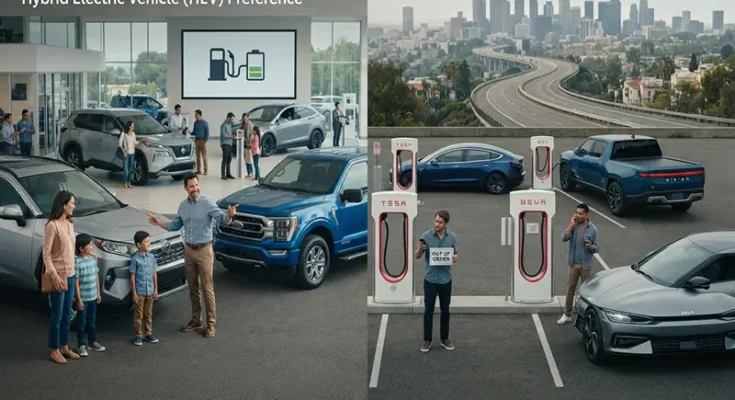
For years, the conventional automotive narrative dictated a straight-line march from internal combustion engines directly to 100% battery-powered electric vehicles (BEVs). Industry analysts and policymakers framed hybrids as a temporary stepping stone—a brief transitional bridge before a fully plugged-in future. Yet, showroom floors and registration data tell a radically different story.

Consumer demand and market realities have collided, positioning hybrid electric vehicles (HEVs) not as a temporary bridge, but as the preferred destination for drivers hesitant to navigate infrastructure gaps, high upfront costs, and range anxiety.

The Friction Points of Pure BEV Adoption

While battery electric vehicles have achieved remarkable technological milestones, they continue to run into stubborn friction points that slow down mass-market conversion:

  • Charging Infrastructure Realities: Persistent bottlenecks, out-of-service public chargers, and stark disparities in charging speed make long-distance travel stressful for drivers without dedicated home charging setups.
  • The Cost and Range Equation: High initial vehicle purchase prices,
… Why Hybrid Electric Vehicle Adoption Is Outpacing Battery Electric Cars in the Auto Industry Read More
How to Find Best Dealer Incentives on End-of-Year New Auto Sales

How to Find Best Dealer Incentives on End-of-Year New Auto Sales

While most consumers view December primarily as a time for holiday shopping, savvy automotive buyers recognize it as the ultimate hunting season for deep discounts, clearance markdowns, and aggressive manufacturer incentives. Timing a new car purchase to align with end-of-year sales events is not simply about holiday cheer; it represents a strategic convergence of factory quotas, dealership inventory clearing, and model-year changeovers that can shave thousands of dollars off a vehicle’s sticker price.

Understanding how to uncover, decode, and stack these financial opportunities transforms a standard car-buying trip into a masterclass in automotive negotiation.

The Economics of End-of-Year Car Sales

To secure the best deal, you must first understand the financial pressures driving dealerships as the calendar year winds down.

  • Floor-Plan Financing and Carrying Costs: Dealerships rarely own their vehicle inventory outright. They borrow money from commercial lenders via “floor-plan financing” to stock their lots. Every single day a vehicle
… How to Find Best Dealer Incentives on End-of-Year New Auto Sales Read More
How Auto Dealerships Are Adapting to Online Car Buying and Digital Sales

How Auto Dealerships Are Adapting to Online Car Buying and Digital Sales

For decades, purchasing a new or used vehicle meant spending an entire Saturday afternoon trapped under glaring fluorescent dealership lights, haggling over numbers scribbled on four-square worksheets. Today, however, that traditional showroom floor has expanded directly into the consumer’s living room.

Rather than being rendered obsolete by digital-first online startups, traditional auto dealerships are radically transforming their operations. By blending physical inventory with seamless omnichannel digital sales platforms, dealerships are successfully adapting to meet modern consumer demands.

The Digital Shift: From Brick-and-Mortar to Omnichannel Retail

Modern car buyers behave entirely differently than shoppers of previous generations. Before ever setting foot on a physical lot, today’s consumers research vehicle specifications, crash ratings, market values, and financing rates online.

To capture this tech-enabled audience, dealers have shifted toward an omnichannel model. This approach bridges the gap between digital and physical realms, allowing customers to complete up to 80% of the transaction—such …

How Auto Dealerships Are Adapting to Online Car Buying and Digital Sales Read More